Just about every person will have his or her own idea when it comes to Hard Water Effects on Plumbing and Solutions.
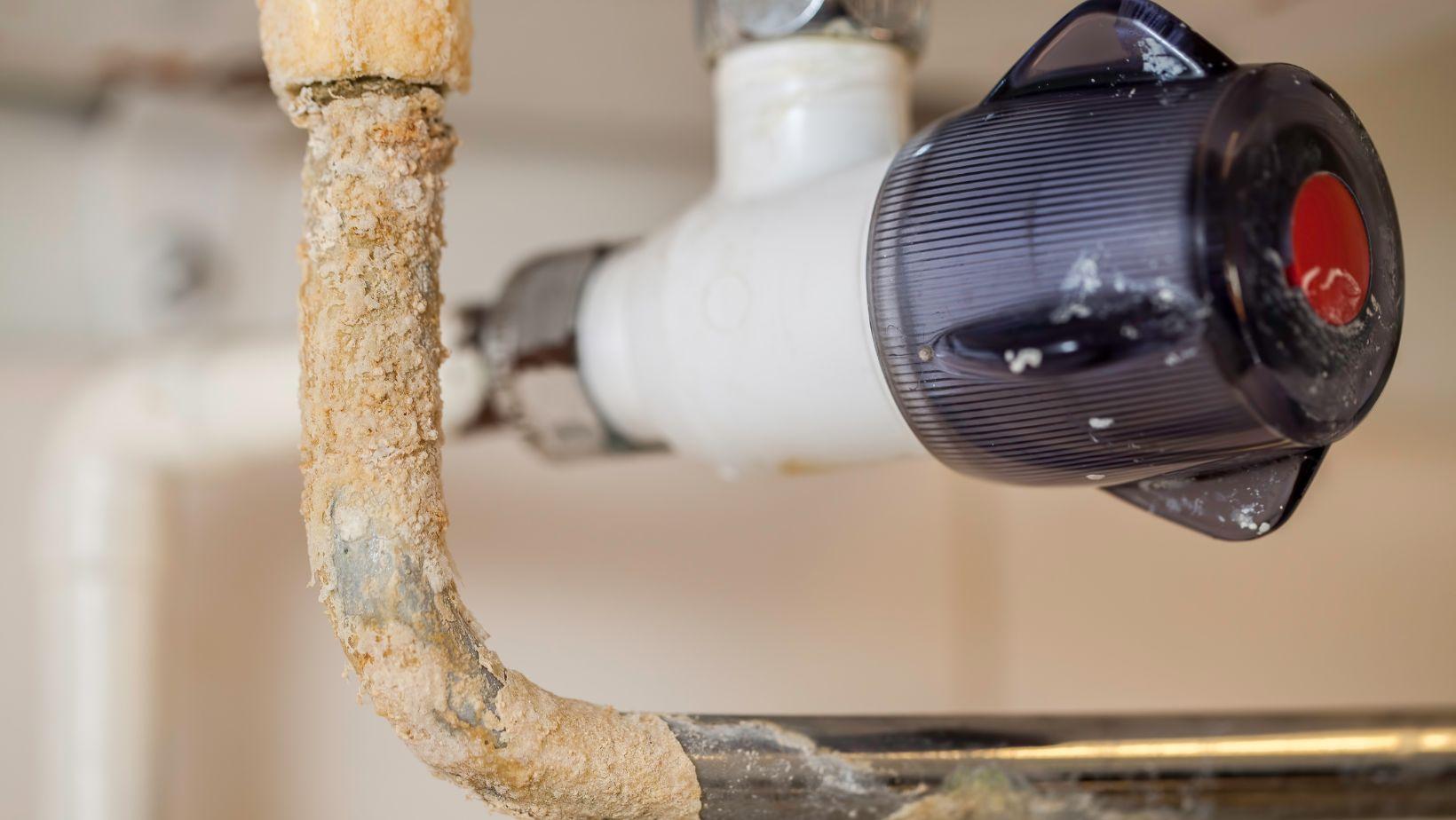
Tough water, a typical issue in several families, can have significant influence on plumbing systems. Recognizing these effects is critical for preserving the longevity and effectiveness of your pipes and fixtures.
Intro
Hard water is water that contains high degrees of dissolved minerals, mainly calcium and magnesium. These minerals are safe to human health however can damage pipes facilities with time. Let's delve into just how difficult water influences pipes and what you can do concerning it.
Impacts on Pipeline
Difficult water influences pipes in a number of destructive ways, mostly via range build-up, reduced water flow, and enhanced rust.
Scale Accumulation
Among one of the most usual concerns caused by hard water is scale buildup inside pipes and fixtures. As water flows via the pipes system, minerals speed up out and stick to the pipe walls. With time, this build-up can narrow pipeline openings, causing decreased water circulation and boosted stress on the system.
Decreased Water Flow
Natural resources from difficult water can progressively minimize the diameter of pipelines, restricting water flow to taps, showers, and home appliances. This decreased circulation not just affects water stress but likewise increases power intake as home appliances like hot water heater should function harder to provide the very same amount of hot water.
What is Hard Water?
Difficult water is identified by its mineral content, especially calcium and magnesium ions. These minerals get in the water system as it percolates via sedimentary rock and chalk down payments underground. When hard water is heated or delegated stand, it has a tendency to develop range, a crusty build-up that adheres to surface areas and can create a series of concerns in pipes systems.
Deterioration
While tough water minerals themselves do not create rust, they can worsen existing rust problems in pipelines. Scale buildup can trap water versus steel surfaces, accelerating the corrosion procedure and possibly resulting in leaks or pipe failing gradually.
Home appliance Damages
Past pipes, tough water can likewise damage house devices linked to the water supply. Devices such as water heaters, dish washers, and washing machines are especially vulnerable to scale build-up. This can lower their effectiveness, rise maintenance expenses, and reduce their lifespan.
Prices of Hard Water
The economic implications of difficult water extend beyond plumbing repair work to consist of increased power costs and premature home appliance replacement.
Repair work Prices
Dealing with difficult water-related problems can be pricey, specifically if scale accumulation brings about pipeline or device failing. Regular maintenance and early detection of problems can help reduce these expenses.
Routine Maintenance
On a regular basis purging the plumbing system and examining for scale buildup can aid protect against pricey repair services down the line. Regular checks of appliances for signs of range accumulation are also essential.
Picking the Right Fixtures
Selecting pipes fixtures and devices created to withstand tough water conditions can mitigate its impacts. Look for items with corrosion-resistant materials and easy-clean attributes to lessen maintenance demands.
Power Effectiveness
Range buildup minimizes the efficiency of water heaters and other home appliances, leading to greater power intake. By dealing with hard water issues without delay, house owners can improve power performance and minimize energy costs.
Testing and Treatment
Evaluating for hard water and carrying out proper therapy procedures is crucial to alleviating its impacts on pipes and appliances.
Water Softeners
Water conditioners are one of the most common option for treating tough water. They function by exchanging calcium and magnesium ions with sodium or potassium ions, properly minimizing the hardness of the water.
Various Other Therapy Choices
Along with water softeners, other treatment options consist of magnetic water conditioners, reverse osmosis systems, and chemical ingredients. Each technique has its benefits and suitability depending on the intensity of the hard water issue and house needs.
Preventive Measures
Protecting against difficult water damages needs a mix of positive upkeep and thoughtful fixture option.
Conclusion
To conclude, the impacts of difficult water on pipelines and appliances are considerable but workable with correct awareness and safety nets. By recognizing how difficult water affects your pipes system and taking positive actions to alleviate its results, you can prolong the life of your pipelines, enhance power effectiveness, and reduce maintenance costs in the future.
The Impact of Hard water on Your Plumbing and Appliances
One of the most common issues associated with hard water is scale buildup. Scale is a hard, crusty deposit that forms on the inside of pipes and plumbing fixtures due to the minerals in hard water. Over time, these deposits can accumulate and cause a range of problems for your plumbing system.
How scale buildup affects plumbing and water pressure
As scale continues to accumulate inside your pipes, it narrows the passage through which water can flow. This makes it increasingly difficult for water to pass through, leading to a number of problems that can affect your home’s plumbing system.
Slow drains are a common issue associated with scale buildup. As the pipe diameter narrows, water has a harder time draining, which can result in slow-moving drains and even standing water in sinks and bathtubs.
Reduced water pressure in showers and faucets is another consequence of scale accumulation. As the buildup restricts water flow, less water is able to pass through your pipes at any given time. This leads to weak water pressure in your showers and faucets, making everyday tasks like washing your hands or taking a shower less enjoyable and effective.
Clogged pipes are perhaps the most severe problem that can arise from scale buildup. In extreme cases, the accumulated scale can completely obstruct the passage of water through the pipe, resulting in a total blockage. This can cause backups in your plumbing system, potentially leading to costly repairs and even water damage to your home.
Corrosion and damage to fixtures
The minerals present in hard water, primarily calcium and magnesium, can react with metal surfaces, causing a variety of problems that can impact the performance and appearance of your fixtures.
One of the primary ways that hard water causes damage to fixtures is through the formation of rust and other types of corrosion. When the minerals in hard water come into contact with metal surfaces, they can react chemically, leading to the formation of rust, tarnish, or other corrosive substances. This not only affects the appearance of the fixtures, causing discoloration and staining, but can also weaken the fixtures over time.
Furthermore, the constant exposure to hard water can cause seals and washers within your fixtures to wear out more quickly, potentially leading to leaks and other malfunctions. As these components become worn or damaged, they may no longer provide an effective seal, allowing water to leak out around the edges of the fixture, potentially causing water damage to surrounding areas.
Hard water can have a significant impact on your plumbing fixtures, causing corrosion, damage, and reduced functionality. By addressing hard water issues in your home, you can help to protect your fixtures from these problems, ensuring they remain functional and visually appealing for years to come.
The Impact of Hard Water on Appliances
Reduced efficiency and lifespan
Hard water can have a significant impact on the efficiency and lifespan of your appliances. The scale buildup caused by hard water can clog or damage various components, leading to decreased performance and increased energy consumption. Appliances that use water, such as dishwashers, washing machines, and water heaters, are particularly susceptible to hard water damage.
The lifespan of your appliances can also be shortened by hard water. Scale buildup can cause increased wear and tear on components, leading to more frequent breakdowns and a shorter overall lifespan. By addressing hard water issues, you can help to extend the life of your appliances and save money on repairs and replacements.
Dishwashers and hard water
Dishwashers are especially vulnerable to the effects of hard water. Scale buildup can cause poor water circulation, leading to dishes that are not properly cleaned. Additionally, the minerals in hard water can leave unsightly spots and streaks on glassware and other dishes. Regular maintenance and the use of water softeners can help to mitigate these issues and keep your dishwasher running smoothly. Learn how to clean and maintain your dishwasher.
Washing machines and hard water
Hard water can also impact the performance of your washing machine. Scale buildup can clog the water inlet valve, leading to reduced water flow and decreased cleaning efficiency. Hard water can also cause detergent to be less effective, resulting in dingy, stiff, and scratchy clothing. By addressing hard water issues, you can ensure that your washing machine continues to provide optimal performance and extend its lifespan.
Water heaters and hard water
Water heaters are particularly susceptible to the negative effects of hard water, as they are in constant contact with water and have internal components that can be damaged by scale buildup. The accumulation of scale inside the water heater can lead to reduced efficiency, higher energy bills, and decreased hot water availability. Moreover, scale buildup can cause increased wear on the heating element, shortening its lifespan and potentially leading to costly repairs or replacements.
One of the key components within a water heater that is particularly vulnerable to hard water damage is the anode rod. The anode rod is a sacrificial component designed to corrode in place of the water heater’s tank, thereby extending its life. However, hard water can cause the anode rod to corrode more quickly than intended, leading to a decreased lifespan for both the rod and the water heater as a whole. Regular inspection and replacement of the anode rod can help ensure that it continues to protect your water heater from corrosion.
To protect your water heater from the damaging effects of hard water, it is important to implement regular maintenance procedures and consider using water softeners. Regular maintenance, such as flushing the water heater to remove sediment and scale buildup, can help maintain its efficiency and prolong its lifespan. This process involves draining the water from the tank and flushing it with fresh water to remove any accumulated sediment and scale
https://www.kingheating.com/blog/the-impact-of-hard-water-on-your-plumbing-and-appliances
I have been very drawn to Hard Water Effects on Plumbing and Solutions and I am hoping you enjoyed reading my page. Sharing is nice. Helping others is fun. Thanks for going through it.
Website